How to Visit an Art Gallery Without Feeling Lost
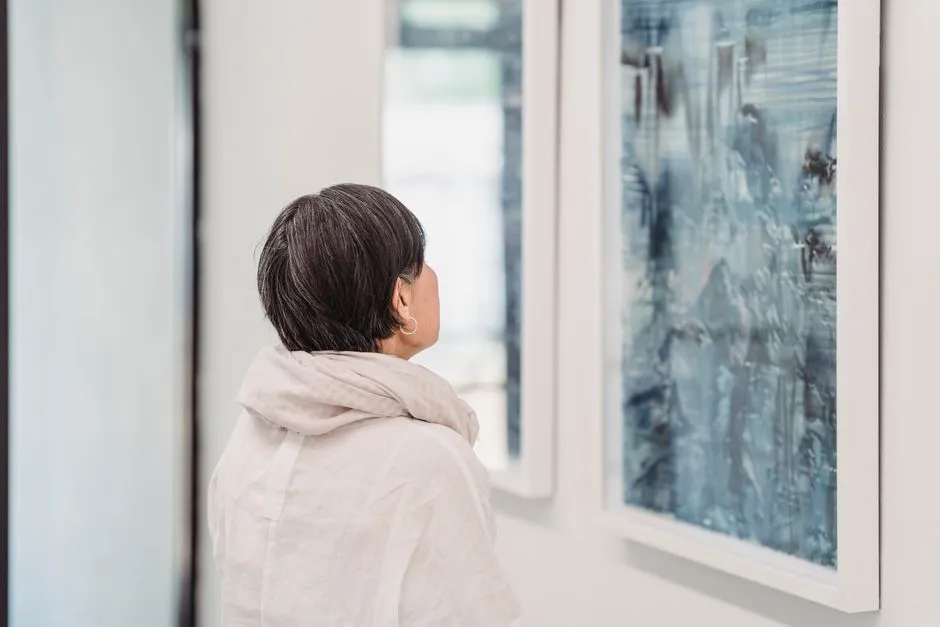
Start with one slow lap
Visiting an art gallery is simpler than the room can make it feel. Walk through once without trying to understand everything, notice which work pulls you back, and then spend real time with two or three pieces. You do not need a prepared opinion, a black turtleneck, or the ability to say “liminal” without blinking.
On the first lap, look at the scale of the show. Are the works crowded together or given large pockets of empty wall? Does one room lead into the next like a sequence, or can you wander freely? This quick survey gives you context before a single label starts steering your thoughts.
Choose attention instead of coverage
A gallery visit is not a scavenger hunt. Seeing every piece for five seconds is usually less rewarding than looking at one for five minutes. Pick a work that creates a reaction—interest, irritation, confusion, delight—and ask what produced it.
Start with visible evidence:
- What is the work made from?
- Where does your eye land first?
- What changes when you step closer or farther away?
- Which colors, shapes, marks, sounds, or textures repeat?
- What seems deliberate about its placement?
Our guide to looking at contemporary art gives you a fuller set of prompts. The point is not to crack a secret code. It is to replace a foggy “I like it” or “I don't get it” with observations you can test.
Read after you look
If a wall label is available, give the work a minute before reading it. Then use the label to add information: title, artist, date, materials, or the exhibition's framing. That order lets the text enrich your encounter instead of dictating it. Our guide to reading gallery labels explains what each line can and cannot tell you.
You may change your mind after reading. Excellent. Changing your mind is not losing an argument; it is what new information is for.
Know the ordinary rules
Gallery policies vary, so look for signs and ask when uncertain. Touch or enter a work only when clear gallery instructions explicitly permit interaction. Keep food and drinks away from displayed art. Ask before photographing and do not block another visitor's view.
Many commercial galleries are free to enter during posted hours. A staff member may greet you and then let you browse. You are not required to buy anything. If a work interests you, a direct question is welcome: “Could you tell me more about this piece?” or “Is there a checklist for the exhibition?” See how to talk to gallery staff for a comfortable script.
Leave with one useful note
Before you go, write down the artist and title of one work you want to remember, plus one sentence about why. Photograph the label only if photography is permitted. This tiny record turns a pleasant blur into a path you can follow later.
The best gallery visit is not the one in which you understand everything. It is the one in which you notice something specific enough to keep thinking about after the door closes.