How to Read Gallery Labels and Wall Text
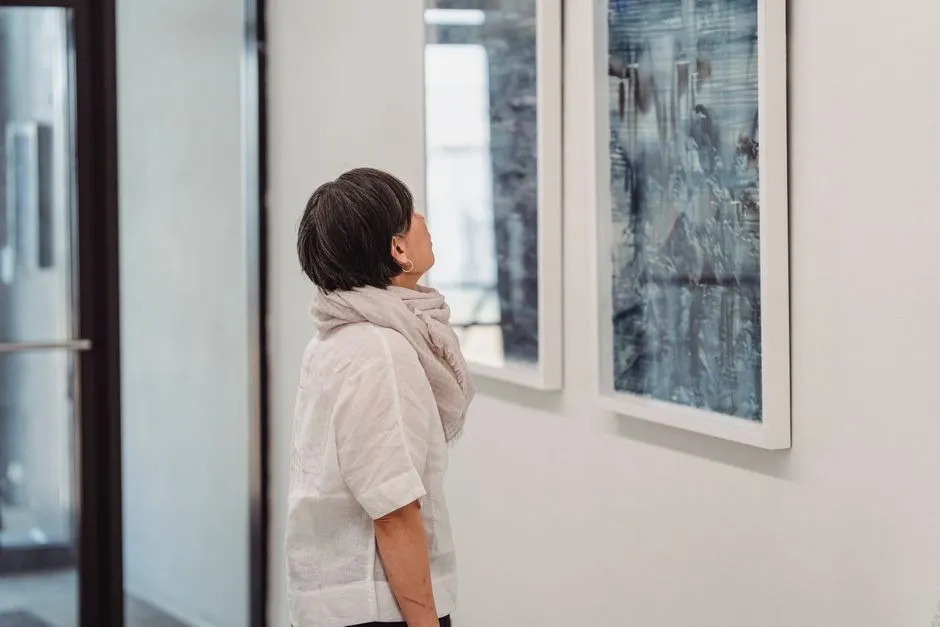
Read the label as a map, not a verdict
An art gallery label usually identifies the work and may offer context about its making or display. Read the basic record first—artist, title, date, materials, and any ownership or exhibition details—then separate that information from the interpretive text. The label can open a door, but it does not get to rearrange the furniture in your head without permission.
Decode the object line
The compact block beside a work may include:
- the artist's name;
- life dates or place information, when relevant;
- the artwork's title and date;
- materials or medium;
- dimensions;
- edition information for multiples;
- a lender, collection, or credit line.
Not every gallery uses the same order or includes every field. Read punctuation carefully. A date may refer to creation, later printing, or a range. Materials can identify both familiar substances and a specific process. If an unfamiliar term matters to your understanding, note it and ask staff rather than inventing a definition on the spot.
Our guide to looking at contemporary art suggests viewing the work before reading this block. That small delay preserves your own first observations.
Separate facts from interpretation
Longer wall text often moves beyond identification. It may discuss a series, theme, historical context, working method, or curatorial argument. Look for the difference between a checkable statement—what material was used, where a project occurred, when a series began—and an interpretation about what the work explores or evokes.
Interpretive writing is a proposal. Compare it with the artwork. Which visible details support the claim? What does the text help you notice? What remains unexplained? You are allowed to find the argument persuasive, partial, or wrapped in such dense language that it has temporarily misplaced the front door.
Track who is speaking
A label may quote the artist, identify a curator, or present unsigned institutional text. Attribution matters. An artist's description of intention is not the same thing as a curator's reading, and neither is identical to your experience.
Quotation marks should signal exact language, while paraphrase should not masquerade as a quote. If you are taking research notes, copy the speaker and source along with the words. This prevents a memorable phrase from becoming mysteriously ownerless by next Tuesday.
For longer first-person context, see how to read an artist statement.
Use the label to generate questions
After reading, return to the work. Ask:
- Does knowing the material change how I read the surface?
- Does the date alter the context I assumed?
- Can I see the theme the text describes?
- What important choice does the label leave unmentioned?
- Which term would I like clarified?
This back-and-forth keeps text and looking in conversation. A label that answers every question would be suspiciously ambitious; good art tends to keep at least one pocket unsearched.
Record the useful details accurately
If photography is permitted, a label photo can preserve spelling and dates. Otherwise, write the artist, title, date, and venue in your notes. Do not rely on memory for exact wording, and do not present label text later as your own.
Labels are tools for attention. Use their facts, test their interpretations, and return to the object. The work still gets the final word—although, in the case of a silent sculpture, it may use it very slowly.
Try the same fact-observation distinction in our visual analysis guide.