How to Look at Contemporary Art More Closely
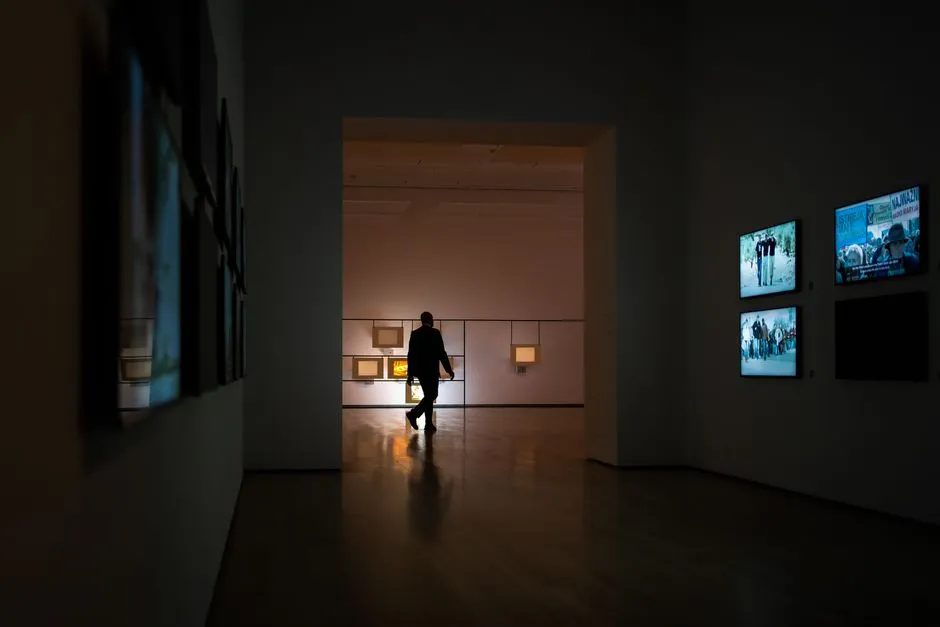
Begin with what is actually there
To look at contemporary art, separate observation from interpretation. First describe the work's materials, scale, arrangement, color, movement, or sound. Then ask what those choices make you feel or think. Context can deepen the encounter later, but your first task is gloriously unglamorous: notice the evidence in front of you.
This works for a painting, a room-size installation, a video, or an object that appears to have wandered in from a hardware store and acquired excellent lighting.
Give the first reaction a second draft
Your immediate response matters, but it is a beginning rather than a verdict. “I dislike this” can become more useful when followed by “because the surface feels overly controlled” or “because the sound makes the room tense.” “I love it” becomes richer when you identify the color relationship, odd material, or spatial rhythm doing the work.
Try three passes:
- Name: list only what you can see or hear.
- Connect: identify relationships among those elements.
- Interpret: suggest what the relationships might mean or do.
Our visual analysis framework develops this method without requiring specialist vocabulary.
Change your position
Contemporary work often depends on the viewer's body and location. Step back to see the whole composition, then move closer if the space permits. Walk around sculpture. Notice what an installation hides and reveals as you move. If there is sound, ask whether it belongs to one object or reshapes the entire room.
Never touch or enter a work unless clear gallery instructions permit it. Follow the work's posted interaction instructions exactly.
Add context without surrendering your eyes
Now read the title, materials, date, and nearby wall text. An artist statement may explain a process, question, or body of research. Use that information to test your observations: does it reveal something you missed? Does the work complicate the stated idea? Our guide to reading an artist statement helps separate useful context from sentences carrying too many abstract nouns in one small boat.
Context is not a command to admire. It can make a work more interesting, less convincing, or simply different from your first impression. All three outcomes are legitimate.
Ask what the choice accomplishes
When a work seems baffling, focus on decisions rather than demanding a hidden message. Why this material instead of another? Why this size? Why repeat an image? Why place an ordinary object in a gallery? Why leave a surface unfinished?
You may not know the artist's intention, and you should not invent it. Phrase your reading as a reading: “The repetition makes the image feel mechanical to me,” not “The artist proves that modern life is mechanical.” That small distinction keeps curiosity alive.
Build a personal vocabulary
After looking, record three things: one observed detail, one question, and one possible interpretation. Revisit the work or an authorized image later. Over time, those notes reveal what you notice repeatedly—perhaps edges, bodies, labor, humor, scale, or pattern.
Contemporary art becomes less intimidating through practice, not through memorizing the approved facial expression. A good viewing session leaves you with sharper observations and better questions, even when certainty refuses to pose for the photograph.
For a comfortable first visit, start with how to visit an art gallery.