Art Certificates of Authenticity: What to Check
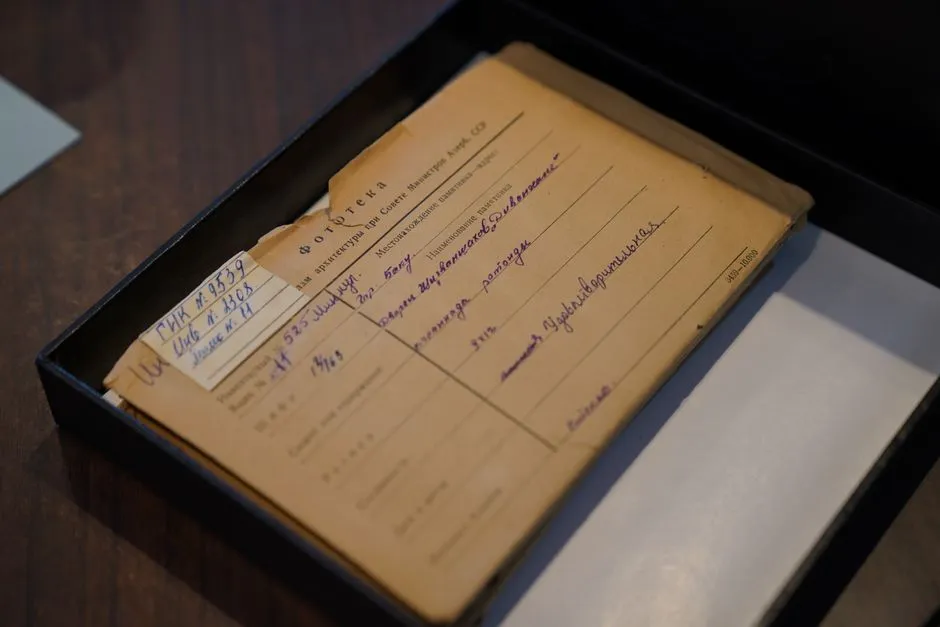
Treat the certificate as evidence that needs a source
An art certificate of authenticity is a document that identifies a work and states an attribution or authenticity claim. Its usefulness depends on who issued it, their authority and knowledge, the details it contains, and how securely it connects to the object. The document title and its presentation do not authenticate art by themselves.
Identify the issuer
Ask who prepared and signed the certificate, when, and in what capacity. Depending on the work, a relevant issuer might be the artist, an authorized studio or estate, a recognized publisher, or another party with a documented relationship to its production. A seller may also supply a statement, but the seller's commercial role should be clear.
Do not assume authority from an impressive title alone. Verify contact details and the issuer's relationship to the specific artist, edition, or object through reliable channels. For a significant decision, independent artist-specific expertise may be necessary.
Match the document to the object
A useful certificate should identify the work precisely enough to prevent easy substitution. Look for applicable fields such as:
- artist or attributed maker;
- title and date;
- medium and dimensions;
- unique work or edition information;
- signature, inscription, label, inventory, or serial details;
- a clear image;
- issuer, date, and signature;
- any limitations on the statement.
Not every valid document uses the same format, and not every field applies to every medium. The core test is whether the certificate and physical work can be connected through specific, consistent information.
Compare every detail
Check spelling, dates, dimensions, edition markings, materials, images, labels, and signatures against the actual object and other records. A discrepancy is a question to resolve, not a typo to repair on the buyer's behalf. Keep the original file or document as supplied and record any later explanation separately.
Our guide to art editions explains the numbers and proof designations that often appear on certificates for multiples.
Understand what the certificate does not settle
A certificate does not automatically establish legal title, an unbroken ownership history, current condition, value, or permission to reproduce an image. It may also contain limits or qualifications that matter. Read the exact statement instead of treating the heading as the entire document.
Review art provenance basics to see how a certificate fits within a larger paper trail. Important authenticity or title questions require qualified independent professional advice for the specific object and jurisdiction.
Put documentary promises in the transaction
Before purchase, ask whether a certificate exists, who issued it, whether the original will transfer, and what other records accompany the work. Ensure the invoice or agreement identifies the exact object and any certificate represented as included. Clarify what the seller is actually promising and what remedies the written terms provide if a material representation is wrong.
Use our questions before buying art to place the certificate beside condition, total cost, delivery, and practical fit.
Preserve it without separating its history
Store the certificate securely with the invoice, correspondence, provenance, condition records, and high-quality object photographs. Keep a digital reference copy, but preserve the original form and any envelope, label, or accompanying material. Do not laminate, annotate, crop, or redesign a document whose original state may matter.
If the work transfers later, document which records move with it while protecting personal information appropriately.
A useful certificate answers precise questions and matches the work. Treat an unsupported certificate as an unverified claim and obtain qualified advice when authenticity is material.
Check the document in context
The FBI Art Crime Program advises buyers to check supplied provenance like a reference and verify that it was not generated by the seller to induce a purchase. In New York, Arts and Cultural Affairs Law section 13.01 gives certain art-merchant certificates warranty consequences. Neither source authenticates a reader's object; verify the issuer and obtain qualified object- and jurisdiction-specific advice.