Art Provenance Basics: Build a Useful Paper Trail
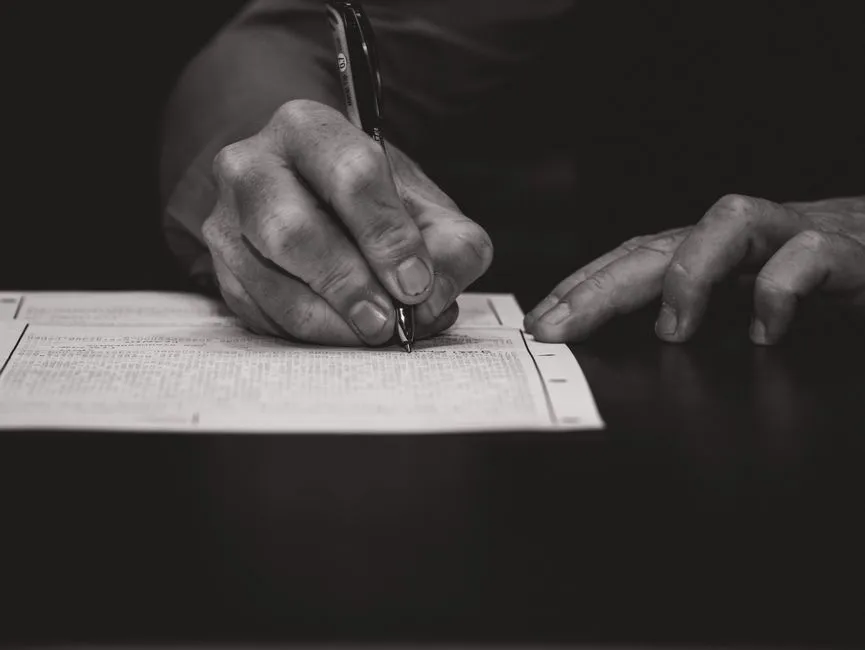
Provenance is a documented history
Art provenance is the recorded history of an artwork's ownership, custody, and relevant transfers. A useful provenance identifies people or entities, dates or date ranges, locations, and supporting records, while marking gaps honestly. It can help establish an object's history, but provenance alone does not automatically prove authenticity, legal title, condition, or value.
Build the timeline object by object
Start with precise identification: artist or attributed maker, title, date, medium, dimensions, edition or unique-object status, inscriptions, labels, and clear images. Then place each known owner or custodian in chronological order.
For each step, ask:
- Who held the work?
- During what period?
- How did it transfer?
- Where was it located?
- Which document supports the claim?
- Is the statement confirmed, inferred, or reported by someone else?
Do not turn an uncertain date into a precise one merely to complete a field.
Recognize useful records
Supporting material may include invoices, receipts, collection inventories, correspondence, exhibition or loan records, catalogue entries, photographs, shipping papers, estate documents, labels, and prior conservation or condition files. The strength of a record depends on its origin, content, date, and connection to the actual object.
A photocopy or screenshot may preserve information but can also omit context. Keep the complete document when lawful and appropriate, record where it came from, and avoid altering the file presented as evidence.
Our collection inventory guide shows how to store object records and event histories separately.
Treat gaps as gaps
Many works have incomplete histories. Write “location unknown during this period” or “reported by the seller; supporting document not supplied” when that is the truth. A visible gap is more useful than a smooth invented bridge.
Vague phrases such as “private collection” may be legitimate where privacy applies, but they provide limited verification on their own. A qualified professional can assess what additional evidence is appropriate for a material transaction without publishing private personal data.
Separate provenance from authentication and title
A persuasive ownership chain can support research, but it does not by itself prove that an object is by the named artist or that the seller has legal authority to transfer it. Authenticity assessment and legal title are distinct questions. Condition is another.
A certificate of authenticity is one possible record, not a substitute for examining the full evidence. For significant purchases, use independent specialists qualified for the artist, medium, jurisdiction, and issue involved.
Ask for representations in writing
Before buying, request the provenance being represented and copies or descriptions of the documents that will accompany the work. Ask who prepared the chronology, which entries are supported, what gaps remain, and whether any ownership, export, cultural-property, claim, or title issue has been disclosed.
Do not rely on a general guide to resolve a legal or authentication issue. Obtain qualified professional advice and ensure material representations appear in the transaction documents you accept.
See our questions before buying art for the wider purchase review.
Preserve the next chapter
After acquisition, keep the invoice, correspondence, images, condition information, shipping and installation records, insurance material, and any later loan, exhibition, treatment, or transfer documents. Record dates and sources. Keep sensitive personal information secure and share only what is necessary and lawful.
Good provenance work records the chain supported by evidence, labels every weak link, and leaves missing history explicitly unresolved.
Source check
The Getty Museum's provenance guide defines provenance as an artwork's history, including origin, past ownership, sale timelines, and previous locations. Getty describes research using catalogues, personal papers, inventories, archival documents, and physical marks, while noting that ownership histories can retain gaps.